3
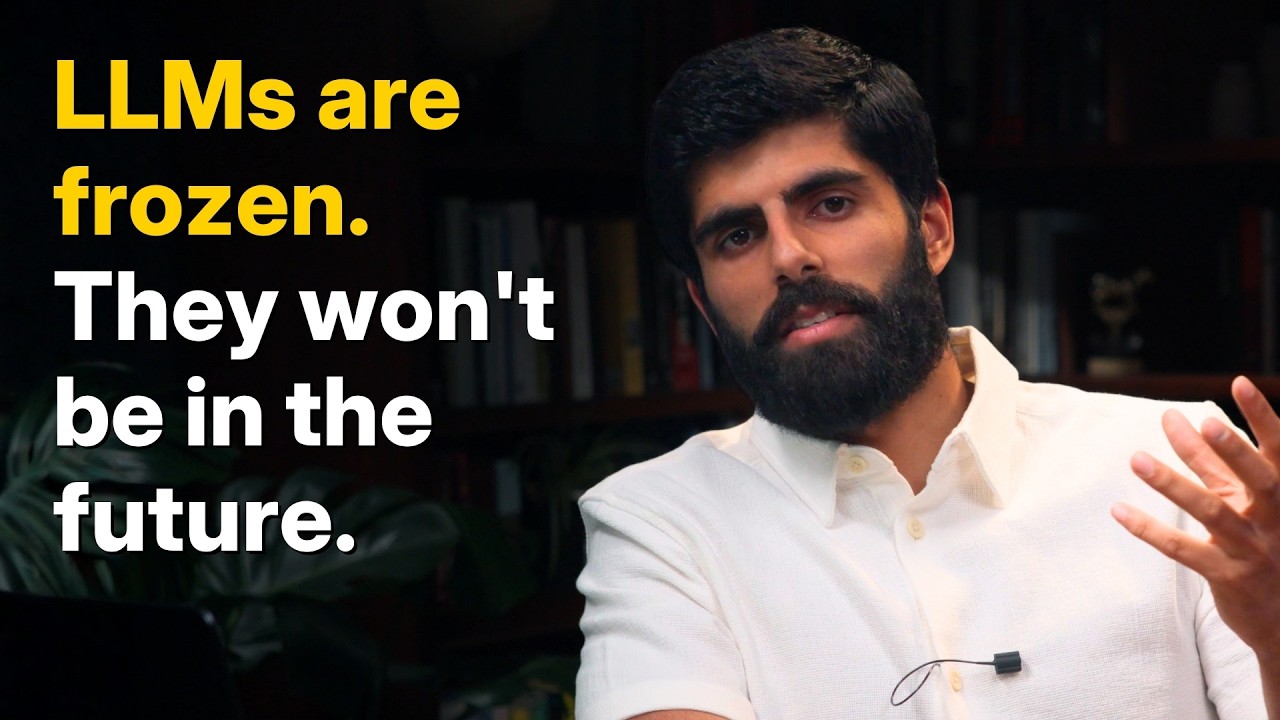
Dwarkesh Patel argues that labs are betting on RL over many verifiable environments, but computer use shows the catch when the target is not easy to clone, reset, and replay. The concrete mechanisms here are parallel rollouts, long context, continual learning, on-policy self-distillation, and a speculative test-time training loop he calls dreaming. The security-adjacent angle is the boundary around real deployment data and organization-specific knowledge, where training claims need evidence about isolation, retention, and what actually updates the model.
discussion (3)
Dreaming is a cute name for speculative test-time training, but I care about the operating step.
If the loop stays inside one session, you are mostly buying latency and tokens.
Priceable.
If it starts looking like a path for deployment data into anything shared, isolation and retention stop being research footnotes and become the product.
Happy to see labs push long context either way.
Fitting more of the job into the window without a weight update is the cleaner sale into shops that already hate surprise model changes.
The six month onboarding line is the one that sticks.
Labs get to treat that as a context problem if the window keeps growing.
Customers still eat the cost every session unless something durable lands in the weights.
That is the quiet incentive skew.
Verifiable RL rewards environments you can fork and score.
Org knowledge is the opposite.
Sticky, proprietary, and nobody is eager to hand it over so you can run concurrent trials against it.
So when the pitch mentions continual learning or a test-time training loop, I just want the boring ops answer.
Does anything actually update the model, and who signed off on retention?
Computer use being the slow domain is almost funny once you map it to ops.
Coding gets disposable sandboxes you can clone and reset all day.
A real desktop is sticky state, SSO, and a policy that will not let you snapshot production for parallel rollouts.
So the million-verifiable-task bet quietly assumes environments that behave like product demos, not like the actual machine a customer refuses to let you fork.